
Grounded Globally
sales@spirafix.com +44 0345 29 62 792
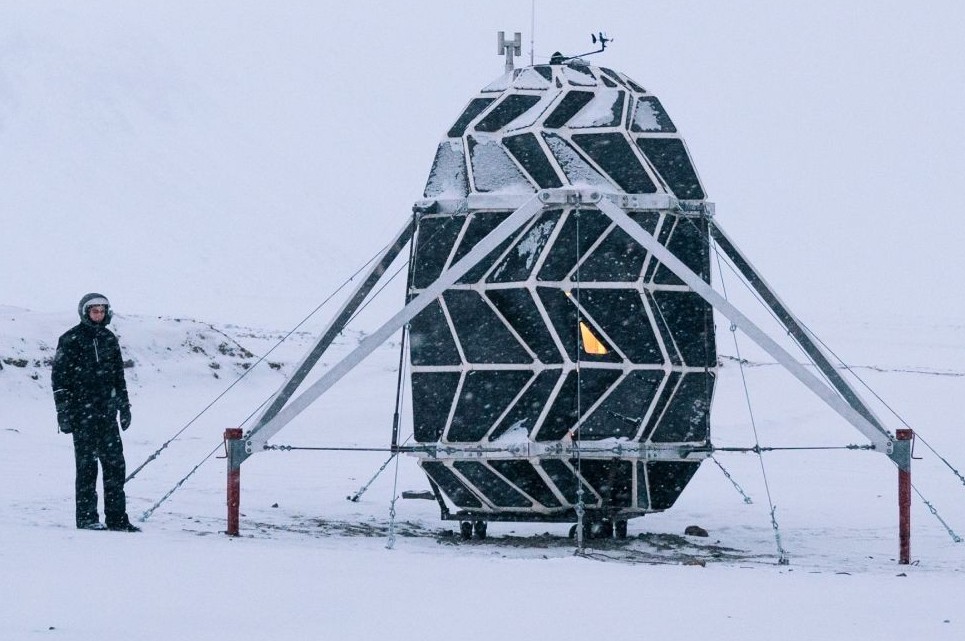
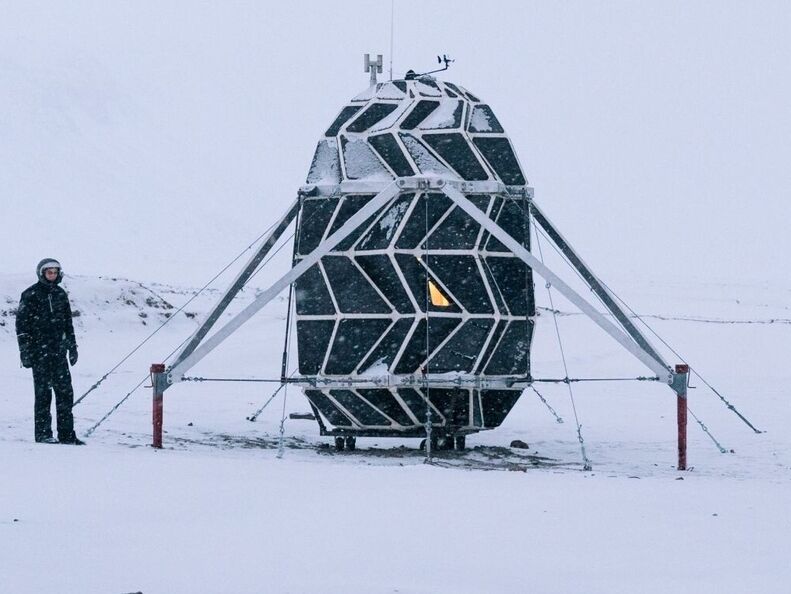
With global attention firmly fixed on renewed lunar missions, the conversation is shifting from reaching the Moon to living on it. Long-duration habitation presents a unique set of engineering and human challenges—many of which are already being explored here on Earth through analogue missions.
One of the most compelling examples is the LUNARK project, developed by SAGA Space Architects. Designed as a prototype Moon habitat, LUNARK was deployed and tested in Northern Greenland—an environment chosen specifically for its physical and psychological similarities to the lunar surface.
The mission placed two crew members in extreme Arctic conditions for nearly three months. The expedition lasted 89 days, with 61 days spent inside the habitat, enduring temperatures below -30°C, powerful storms, and complete isolation.
Northern Greenland provided an ideal testing ground. Its vast, featureless landscape, prolonged daylight cycles, and remoteness closely replicate key aspects of the Moon’s environment. Unlike controlled simulations, this mission exposed the team to genuine risk—what the project describes as “real stress”—making the findings far more applicable to future space habitation.
The LUNARK habitat was designed not just to sustain life, but to support long-term wellbeing and productivity. It incorporated advanced systems including:
These innovations reflect a broader shift in space architecture—moving beyond survival-focused design toward environments that enable humans to function effectively over extended missions.
One of the less visible but critical challenges of the LUNARK mission was ensuring the structural stability of the habitat in extreme Arctic conditions. High winds, shifting icy terrain, and the complete absence of conventional foundations required a robust and reliable anchoring solution.
Spirafix ground anchors were used to secure the habitat during its deployment in Greenland. Installed directly into the frozen ground, these anchors provided the necessary stability to withstand harsh environmental forces over the duration of the mission.
The installation process itself highlighted the difficulty of working in such conditions, with each anchor requiring significant effort to embed into the permafrost. However, once in place, they formed a dependable foundation system—demonstrating how effective ground anchoring is essential in environments where traditional construction methods are not viable.
The challenges faced during the LUNARK mission closely mirror those expected on the Moon. There, structures will need to cope with extreme temperature fluctuations, vacuum conditions, and unstable regolith surfaces—all without the benefit of conventional building techniques.
The successful use of ground anchoring systems in Greenland offers a relevant parallel. While the Moon presents additional complexities, the principle remains the same: secure, adaptable anchoring solutions will be fundamental to ensuring stability and safety in extraterrestrial environments.
As interest in lunar exploration continues to grow, projects like LUNARK provide valuable, real-world insight into the future of space habitation. They demonstrate that building beyond Earth is not just about advanced technology, but about applying proven engineering principles in entirely new contexts.
From innovative habitat design to reliable ground anchoring, every element plays a role in turning the concept of living on the Moon into a practical reality.

Building D, Unit D2
Chapel Farm Industrial Estate
Cwmcarn
NP11 7BH
Terms & Conditions | Privacy Policy
Copyright © Spirafix Limited 2026